
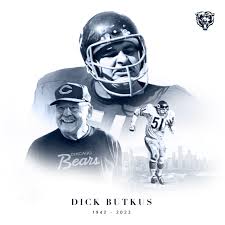
When it comes to manufacturing middle linebackers, the Chicago Bears have that market cornered in the NFL. When it comes to quarterbacks, the Bears have no clue. The name Monsters of the Midway refers to some of those great defenses throughout the decades for the Bears always had a middle linebacker that defied the odds, and played like a caged animal, and wrecked havoc on the opposing team’s offense. The Bears lost one of their legends at the age of 80, a Chicago native as well, Dick Butkus. Butkus passed away in his sleep in his home in Malibu, California. He leaves behind a legendary life as he was a Hall of Fame football player in the NFL and at the Collegiate level. After football, he went to Hollywood, racked up some credits, and you can say guy that lived football, bled football, and lived life to the highest levels.
The story of Dick Butkus started when he was born in 1942, the youngest of nine children in a Chicago neighborhood known as Fernwood. His birth name was Richard Marvin Butkus and he was born into a Lithuanian-American blue collar family. His father was an electrician at the Pullman Standard Railroad Car Company. Before even picking up a football, Butkus was a part of a big family with hard working parents striving to put food in their bellies while giving them all the best education they could afford. That had his brain wired like a competitor especially being the youngest with older brothers. In 5th grade, Butkus dreamed about playing professional football. Butkus showcased his football skills at the Chicago Vocational School where he went on to college to play locally at the University of Illinois. Butkus played three seasons with the Fighting Illini as he played some center on offense and linebacker on defense. Butkus was a big part of that team that went 8-1-1, made it to the Rose Bowl in 1964, and won on New Year’s Day over the University of Washington. The pro football world of scouts and experts took notice of Butkus’ talents on the field. Dan Jenkins back then of the Sports Illustrated, wrote about the middle linebacker…..
“If every college football team had a linebacker like Dick Butkus of Illinois, all the full back’s soon would be three feet tall and sing soprano.”
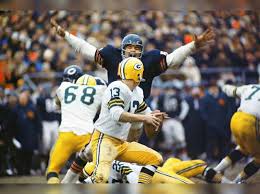
In 1965, the Chicago Bears drafted Dick Butkus in the first round 3rd overall. Butkus was also drafted by the Denver Broncos of the AFL (American Football League,) & obviously this was before the merger. The Broncos selected Butkus in the second round of the AFL. Butkus chose to play for his home town team and be coached by Papa Bear himself, Hall of Famer George Halas. Butkus’ rookie season he had 5 interceptions while recovering 7 fumbles as he immediately made an impact. Butkus played nine seasons in the NFL all with the Bears from 1965-1973. Back then the league never had the stat called sacks bringing the quarterback down behind the line of scrimmage. Many wonder how many sacks Butkus could have had as he was a menace to the opposing teams’ quarterbacks. Butkus’ play earned him nicknames that defined his football savvy on the field like ‘The Animal,’ The Enforcer,’ ‘The Maestro of Mayhem’ or ‘The Robot of Destruction.’ Butkus did things on the field that no player in today’s game can do without being penalized or even suspended from the league. Tackling moves such as clothes lining the running back and the rumors about what players did under the pile during the 1960’s, would make your mother lock you up in the closet and never step off the football field until you collected social security. Butkus played by the rules that were allowed on the field at that time as he was well respected and earned 8 Pro Bowls in 9 seasons. The Bears never made the playoffs when Butkus suited up as the team won 49 games and lost 79 during his playing career. I bet every opposing team dreaded playing games against those Butkus-led Bears defenses.
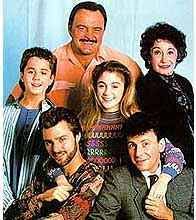
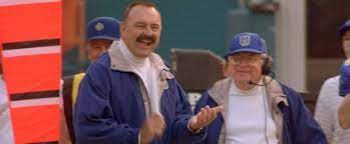
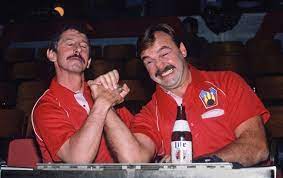
Dick Butkus hung up the cleats for good in 1974 at the age of 31. The last few seasons of Butkus’ pro career, he dealt with a bad right knee which he did have surgery on. Back then, the operations on the knee did not get you back on the field as quick as the surgery does these days. Butkus ended up suing the Bears in 1974 saying the team did not provide medical and hospital care for his knee problem that he played on in excruciating pain. The suit was for 1.6 million and was settled out of court. Butkus would take his talents from the football field to Hollywood. Butkus played himself in Brian’s Song. Butkus would also play parts in other football movies such as Any Given Sunday, The Longest Yard, and Necessary Roughness. He played small parts in shows like Blue Thunder and MacGyver. Butkus also had a role on the sitcoms: My Two Dads and Hang Time. Many will remember Butkus in those classic Miller Lite Commercials with the argument that portrays the beer as either tasting great or less filling. On one of the commercials, Butkus would arm wrestle Yankees legendary manager, Billy Martin.
In Dick Butkus’ first year of eligibility, he immediately was a first ballot Hall of Famer inducted in Canton in 1979. In 1983, the College Football Hall of Fame inducted Butkus. The Bears ended up retiring his number, 51. Great middle linebackers followed Dick Butkus as the Bears in the 1980’s had Mike Singletary, part of that only Superbowl winning team Chicago has won. Then in the 2,000’s Brian Urlacher did his best Butkus imitations chasing players down like they were running away from the law. I never saw Butkus play as he was before my time. I still knew who he was and what he has done for the Bears, being a guy from Chicago. Seeing him on television and playing parts in movies. Wearing a mustache like other legends from Chicago like Dennis Franz, Dennis Farina, and even though Da Coach Mike Ditka was not born in Chicago, he has become a local yokel. The best thing I heard about Butkus was how he ampped his game up. If he saw someone laughing on the other team before the game, he used that in his mind set even though the laugh had nothing to do with him, it was on. How many times did Michael Jordan use the smallest things about what somebody said in his game as motivation to take it out on the opponent on the court or field? Dick Butkus will be missed, lived 80 great years, and left a legendary life behind him which will be told in stories from generation to generation.
 The Wild shamrock